
Damien Soitout
An ordinary health week is a plan. Protect the sleep, the food, and the walk now, before a louder week spends them.
Ordinary daylight, ordinary movement. That is the week worth protecting.
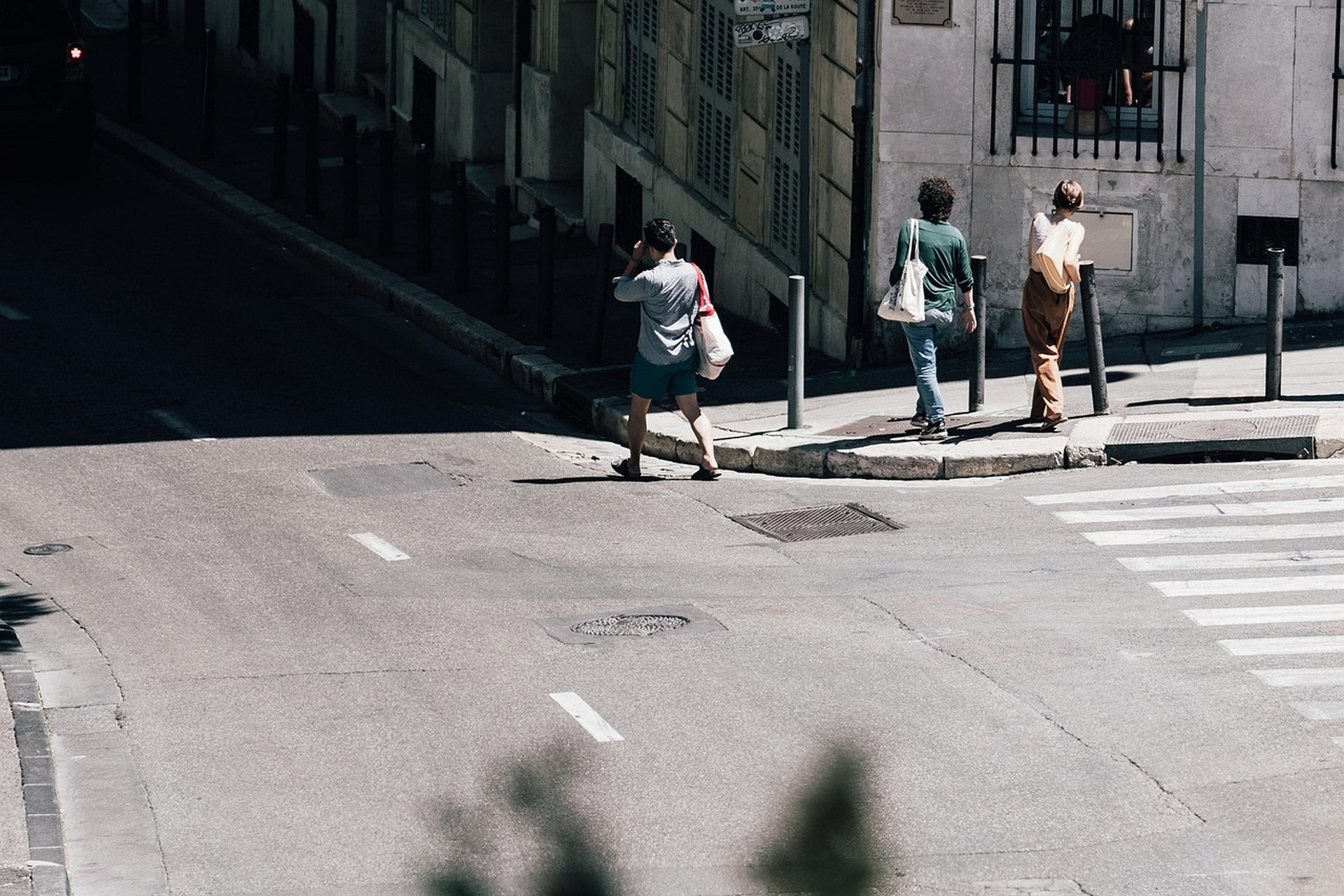
An ordinary week of sleep, food, and a walk is a plan, not a filler. I have treated it as filler. The important week, in that bad arithmetic, was the one with the trip, the launch, the guest, the crisis. Sleep could slip because the important week would restore it. Meals could become whatever was near the laptop. The walk could wait for a day that felt more virtuous. The important week arrived and spent what the ordinary weeks had not stored. On 2 October 2023 the week in front of me is ordinary, and that is the reason to protect it. The people in the picture are crossing a street in daylight with bags on their shoulders. Nobody is training for a photograph. They are in the middle of a day. A health week is that kind of middle, repeated until it is a life.
Why rest can make you more alert is the older health claim I still use. Rest is not lost time. It is part of how a mind comes back. An ordinary health week is rest plus food plus a little movement, scheduled as if they were meetings you would be ashamed to cancel. You would not cancel a meeting with a person who pays you. Canceling the night, the plate, and the walk is how you cancel the person who has to do next week's work, and that person is you.
Sleep matters because the next day is built on it, not because a perfect night is a moral victory. Whether you are sleeping enough, or too much, is a question you answer with a week of honest hours, not with a gadget's speech. Protecting the night, in an ordinary week, means a repeated window. You pick a time you can actually keep on a work night, and you defend the hour before it. The defense is boring. The phone leaves the bed. The last meal is not a negotiation with the fridge at midnight. The work stops even if the work could continue. Six tips for a healthy working life already include this kind of boundary. I am not adding a seventh personality. I am saying the boundary belongs on this week's calendar, in ink, before a more exciting claim takes the square.
If the week is already short on sleep, do not punish it with a heroic morning. A short night followed by a pre-dawn proof of character is how people invent a collapse and call it discipline. Move the walk to daylight. Shorten the meeting that was only a meeting because it was on the calendar. Replace the meeting with a walk when the meeting never needed a chair. The night you protect is worth more than the dawn you perform. People who sleep enough think more slowly in the best sense: they do not spend the afternoon repairing a mind that never shut. That repair is the hidden tax of the “important” week. Pay it less often by keeping the ordinary nights.
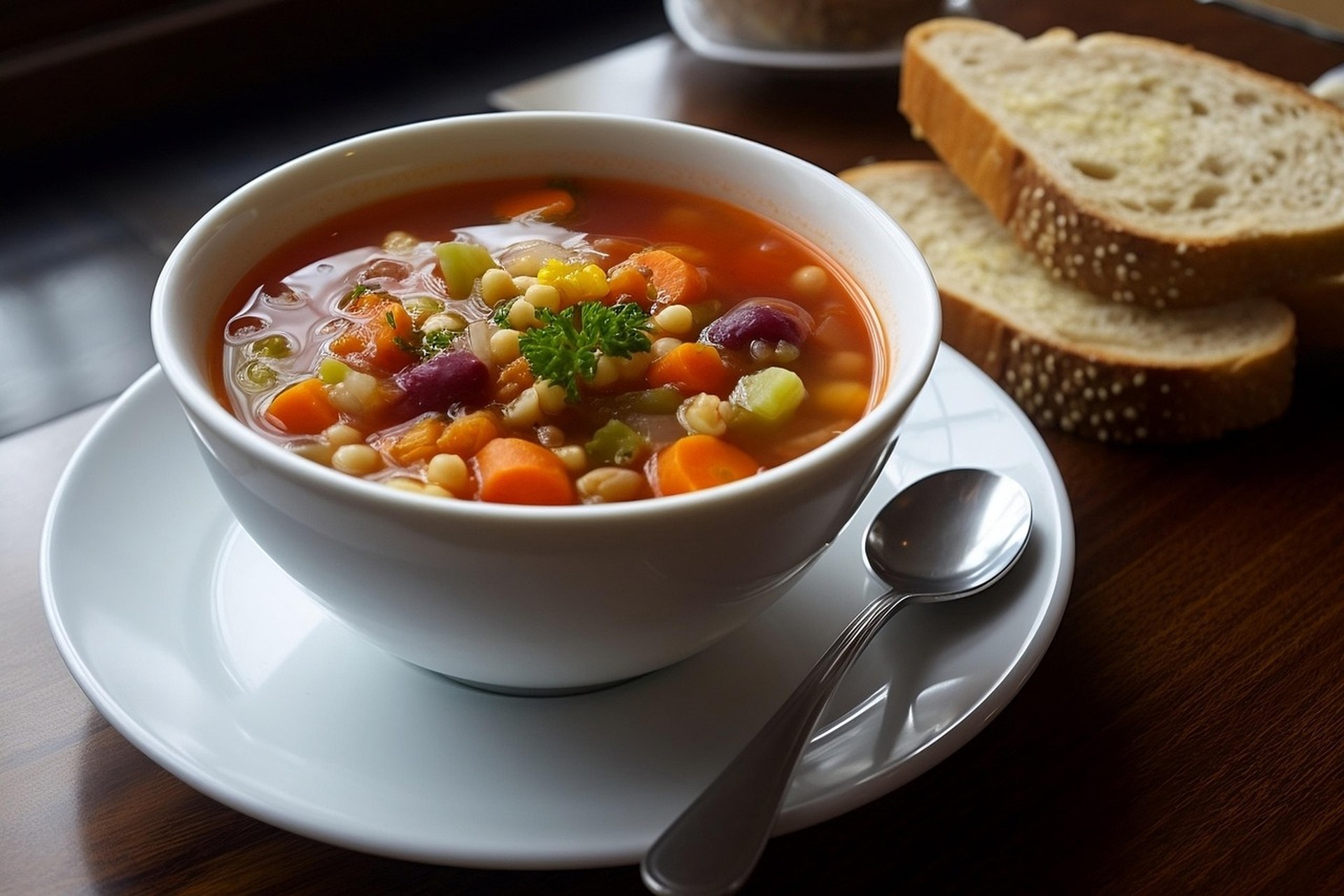
A health week fails at the plate when the plate is either a project or a leftover accident. The project is the diet you start on Monday and narrate. The accident is the meal you do not notice. Healthy snacks are the bridge between the meals, so the afternoon does not become a hunt. Harvard's Healthy Eating Plate is the picture I keep because it is a plate, not a doctrine: half vegetables and fruit, a quarter whole grains, a quarter protein, water or tea or coffee rather than a sugary drink, and a reminder to move. It does not assign you a calorie identity. It gives a Thursday something to resemble. One rule for the phone at the table makes the resemblance possible, because you taste what you eat. A week in which three dinners look roughly like that plate is a health week. A week in which you planned a transformation and ate standing up is a story.
Cook, or assemble, one thing you can eat twice. Twice is the ordinary week. A single spectacular meal is the important week again, spending effort you then do not have on Wednesday. Beans, eggs, fish, a pot of vegetables, fruit you wash before you are hungry: none of this is news. It is the plan. If you eat with other people, the plan is also a kindness, because you are not delivering your exhaustion as their menu. If you eat alone, the plan is a kindness to the person who will be hungry tomorrow, and that person is also you. Write the three dinners on the same page as the meetings. A dinner that is not written down is the one the day will erase.
Repeatable food is also how an ordinary week survives a late meeting. If the pot is already made, a delayed train does not become a bag of whatever was nearest the station. If the fruit is washed, the afternoon snack is a decision you already made. Protection is mostly decisions moved earlier, when you are calmer than the hour that will try to spend them. The plate Harvard describes is useful because you can see it without a scale. Vegetables and fruit on half the plate. Grains on a quarter. Protein on a quarter. A drink that is not sugar. That is a sentence you can keep in an ordinary kitchen, on a Thursday that has no audience.
The National Health Service, writing about the benefits of exercise, says adults should be active every day and aim for at least 150 minutes across a week, at an effort where you can talk and you cannot sing. It also says many adults sit more than seven hours a day, and that hitting an activity target does not cancel the sitting. A walk in an ordinary week is how you touch both problems without joining anything. Twenty minutes, most days, outside if you can, in a hall if you cannot. The three people in the picture are not athletes. They are crossing. Crossing counts. Put it where a meeting was, or where a scroll was, not in a fantasy hour before the day begins. Fantasy hours are the first to be cut when the week gets loud. A walk that lives in a real gap survives.
The World Health Organization's fact sheet on ageing and health is the long reason to care about a dull week. People are living longer. The sheet's public picture is that by 2030 one person in six in the world will be 60 or older, and that between 2015 and 2050 the share of the world over 60 nearly doubles, from 12 percent to 22 percent. It also says the extra years are not automatically healthy years. A longer life is an opportunity if the body and the mind can still do what the person values. The sheet is plain about what maintains that capacity: a balanced diet, regular physical activity, and not using tobacco, across the whole of life, not as a project begun at seventy. There is no typical older person. Some people at eighty have the capacity many people have at thirty. A large part of the difference is the environment and the habits, accumulated. The ordinary week is the accumulation. You do not store health in a dramatic month. You store it in Thursdays.
The United Nations keeps ageing as one of its global issues. The WHO sheet notes that the General Assembly declared 2021 to 2030 the Decade of Healthy Ageing and asked WHO to lead it. The decade is a public frame. Your week is the only part of the decade you can touch on 2 October. Changing how a society thinks about age is a long argument. Eating, sleeping, and walking this week is not an argument. It is the behavior the fact sheet says changes the risk of the diseases that steal the extra years. I do not need the decade to feel important before I keep a bedtime. The bedtime is how a person arrives at later years with more of themselves intact.
An ordinary health week is easy to postpone because it does not announce itself. Nothing on the calendar says “sleep.” So you write it in. Seven nights aimed at the same window. Three plates you could describe to a stranger. Four walks, or five, short enough that rain does not cancel the idea. If a night fails, the next night is still in the plan. A failed night is not a vote to abandon the week. People abandon weeks because they wanted a perfect one to show someone. Nobody is grading this. The grade is how you feel on Friday afternoon, and whether Monday is possible without a rescue.
Calm is the stock you are building, not a luxury you have to justify against a louder plot. Protect an ordinary health week now: the night, the plate, the walk across the street you are already on. The daylight in the picture is enough. The week does not need a costume to be worth keeping.