

Damien Soitout
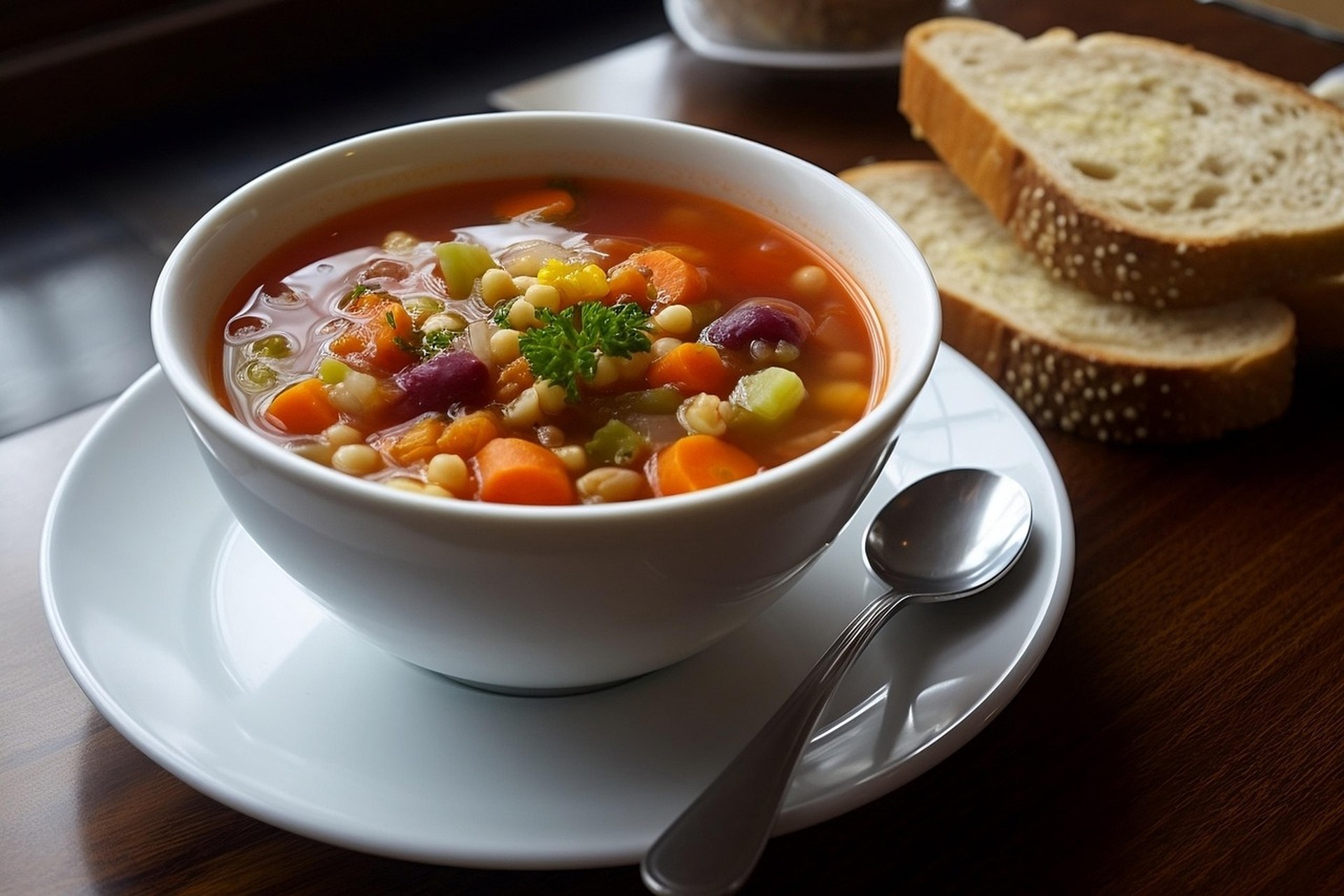
A feast fits the people at the table, not an imagined crowd. Cook for the room you have, with a plate that is still a meal.
Enough for the people who sat down. A feast fails when it is planned for a crowd that never arrives.
A feast fails when it is planned for a crowd that is not at the table. I have done it. I have bought for a room I hoped would fill, and then served a loyal handful who could not possibly eat the display. The food was generous. The generosity was aimed at an absence. What the people in the room received was pressure: to take more, to praise the excess, to help the host feel that the imagined list had been real. A meal can survive a small menu. It has a harder time surviving a host who is cooking for ghosts.
I am writing this on 22 December 2025, close enough to the holiday table that this error is in season. The principle is not seasonal. Any table works the same way. Count the people who have said they are coming, subtract the people who always cancel, and cook for the number that remains, plus a little. The little is hospitality. The double is anxiety. Anxiety plates badly. It also spends money you could have kept, which matters if the month is already doing what December does to a budget.
I am not describing a particular household, and I am not counting children as a scene. The people at your table are whoever sits down. Friends, colleagues, neighbors, one person and a bowl. The method does not need a cast. It needs a number you can defend when you are standing in the shop with a basket.
Fitting the room is not an excuse for a pile of salt. The Dietary Guidelines for Americans, 2020 to 2025, ask for a pattern built from vegetables, fruits, grains, dairy, and protein foods, with added sugars, saturated fat, and sodium kept in check. A feast is allowed to be a feast. It is not required to abandon the pattern so thoroughly that the next day is a repair project. You can roast something people recognize as festive and still put vegetables on the table in a quantity that is not a garnish.
The NHS page on a balanced diet puts the same idea in the Eatwell shape, which is easy to steal for a single meal. Fruit and vegetables in real portions, not a single sprig. A starchy food with some fiber, potatoes, rice, bread, or pasta, ideally not the whitest version of all of them at once. Some dairy or a fortified alternative. Protein from beans, pulses, fish, eggs, or meat, with the meat not required to be the only thing that proves you hosted. Unsaturated oils in small amounts. Foods high in fat, salt, and sugar less often and in smaller pieces. Fluids that are mostly not sugar. If your feast hits most of those and misses one, you have hosted. If it hits none of them and calls itself tradition, you have catered a craving.
The World Health Organization's page on a healthy diet names four tests that survive a holiday: adequacy, balance, moderation, and diversity. Adequacy means the plate meets the need and does not wildly overshoot it. Balance means the energy you serve is in some relation to the energy people will spend, and that protein, fat, and carbohydrate are all present. Moderation means the parts that harm in excess stay in a supporting role. Diversity means more than one color and more than one food group, so the meal is not a single gesture repeated. A feast that fits is a feast that can pass those four tests for the people who are actually chewing, not for a magazine picture of a table.
The imagined list is rarely a lie you tell on purpose. It is a list of people you like, plus people you owe, plus a version of the evening in which conversation is easy and nobody leaves early. You shop for that evening. Then the real evening arrives with two fewer chairs and one person who does not drink. The ham is now a problem. The problem feels like rejection. It is arithmetic.
I shop the other way. I write the names of the people who have confirmed, on paper, where I can see them in the store. Next to each name I write one fact that changes the pot: eats no meat, cannot take much salt, will drink water, will want a second plate because they came from a shift. The menu is the overlap of those facts, plus one dish that is simply delicious and does not require a speech. If the overlap is soup, bread, a roast chicken, a bowl of citrus, and a cheese that can sit out, that is a feast for the people who came. It is not a failure of nerve. Nerve is serving twelve side dishes to four people so the table looks like the list you did not get.
Eating well in the December season is the longer habit, and I am not replacing it. That page is about the month. This one is about the hour the food hits the table. The month is a pattern. The hour is a count. Both can be true: you can eat sensibly across December and still wreck one evening by cooking for a crowd that stayed home. The wreck is not moral. It is expensive, and it makes the people who did come feel like understudies.
A portion is a decision you make before you serve, not a mood you discover when the dish is half gone. For the protein, think of a piece each person can finish, and one piece extra for the table, not a second animal “just in case.” For vegetables, cook more than your fear suggests, because vegetables are the part guests under-eat in their imagination and then finish when they are good. For starch, make enough that nobody is hunting. For dessert, one thing, in a quantity that allows a real serving and a little left, not three things that exist to be photographed.
Leftovers are part of the plan or they are waste. If you know you will eat the soup tomorrow and the day after, you may make a larger pot. That is a plan. If you make the larger pot because abundance feels like love, and then you throw it out on the 26th, you cooked for the feeling. A good time that does not spend much is compatible with a feast. The spend that hurts is the spend aimed at absent chairs. Buy the good bread. Skip the third dessert. The people at the table remember whether they were comfortable. They do not remember the dish you were too proud to cancel.
A sane snack is also how you keep the feast from starting at four in the afternoon in a state of famine. Hungry guests over-serve themselves at the first dish and then feel ill, which you will misread as a failure of the main course. Put something small out when they arrive: nuts if that fits the room, vegetables cut and salted lightly, bread. Then let the meal be the meal. A feast is a sequence. It is not a pile.
Someone has to clear, refill water, and notice the person who has gone quiet. If you try to be the only adult in that system, you will cook for the imagined list and host for nobody, because you will be in the kitchen reconciling your disappointment. Ask one confirmed guest, before the day, to own one job: the drinks, the plates, the moment when it is time to sit. A small team is not a speech about leadership. For one evening it is two people who know what done looks like. Done looks like everyone served once, the cook sitting down, and the extra food in a box with a plan rather than a guilt.
Talk at the table should fit the people too. A national argument, a work crisis, a performance of gratitude that goes on until the food is cold: these are menus of conversation cooked for a crowd that is not always in the room. Ask what the people in the chairs can actually hold tonight. Some nights that is a silly story. Some nights it is a quiet one. You do not owe the calendar a performance called Holiday. You owe the chairs a meal and a pace.
The day before, write three numbers. How many confirmed. How many you are cooking for, which is the confirmed count plus a small margin. How many dishes, which should be fewer than the headcount if the headcount is under eight, because each dish is a piece of attention and attention is the scarce ingredient. Then write the four Eatwell checks in the margin: vegetables, starch, protein, something fresh at the end. If a dish does not serve one of those or serve pure pleasure in a moderate amount, it is a candidate for deletion. Delete in the shop, not at 7 in the evening.
On the day, cook the number. When someone extra appears, which happens, bread, eggs, and a larger salad can absorb one person. They cannot absorb a fantasy, but they can absorb a surprise. When someone drops, which also happens, you have leftovers you already planned to eat. You do not have a tragedy. The tragedy was optional, and it consisted of cooking the invitation list instead of the attendance.
A feast that fits is not small out of meanness. It is exact out of respect. The people who came are the occasion. Feed them well, sit with them, and let the absent keep their evening wherever they are. The soup in the bowl is enough when the bowl was meant for the person holding the spoon.