

Damien Soitout
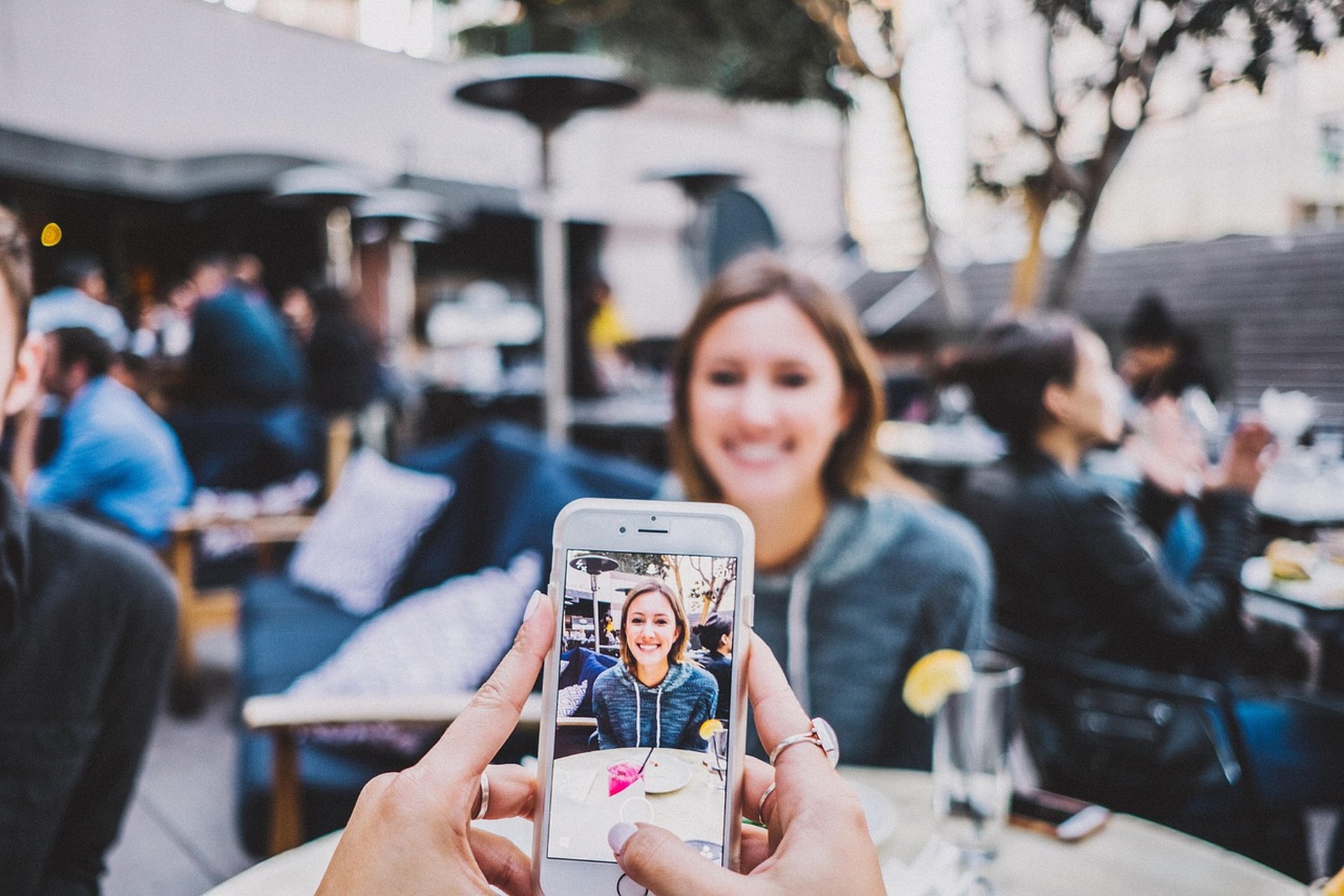
The phone at the table is an adult habit. One rule any shared meal can keep, because a screen changes the meal and the sleep after it.
The phone is already at the table. The rule is what takes it down.
The phone at a shared meal is an adult habit, and it has a fix. I have heard it discussed as if the problem were children and the solution were a speech aimed at them. The picture says otherwise. An adult hand is holding the phone. The person across the table is the subject of the photograph, or of the message, or of the absence. Children learn the table they are given. If the adults scroll, the rule for the children is a costume. On 26 June 2023 the fix I trust is one rule any adult table can keep, the same rule for every age at that table, because a screen changes the meal and it changes the sleep that follows.
A shared meal is one of the few hours in a day when people who live together, or who bothered to sit down together, are in the same place for a reason that is not a meeting. The reason is the food and the faces. A phone replaces both with a feed that was not invited. The feed feels urgent. Most of it will be there in forty minutes. The face will also still be there, and it will have learned something about its rank. I am not romantic about dinner. I have eaten badly, quickly, and alone, and the work still got done. I am precise about what a phone does when the meal was supposed to be shared. It ends the sharing while the plates are still full.
The rule is short enough to remember when you are hungry. Phones stay off the table until the meal is over. Not on silent beside the fork. Not face down, which is a way of keeping the phone in the conversation as a threat. Off the table, in a pocket, a bag, or a shelf in the other room. If a real call is expected, a person at a hospital, a child who is out, a system that pages you, name it before you sit down and leave that one path open. A named exception is a rule. A phone that “might” ring is the old habit. The exception has a name and an end. When the meal is done, the phones come back. Nobody has to announce a digital detox. The table has a boundary, and the boundary is the length of the meal.
The rule is for the adults first. If you want a child to keep it, you keep it where the child can see, including when the child is not performing obedience for a guest. A rule that appears for company is not a rule. It is theatre, and children are good at theatre. They are also good at the gap between the speech and the hand. A couple in a world of constant connection is the adult version of the same gap. Two people can live in one kitchen and still hand the evening to a screen. The screen is not an affair. It is a third seat that never eats and never leaves. Stress between two people gets worse when the meal, which could have been a repair, becomes two parallel feeds. You do not solve a hard week by documenting it at the table. You solve a fraction of it by being in the room you are already in.
Say the rule once, in a normal voice, before the food arrives. “Phones off the table until we are done.” If you are a guest, you can still keep it without a speech. Put the phone away. The host who needs a lecture from you is not your project. Your own hand is. People who travel for work tell me the restaurant is where the habit is strongest, because the table is already a performance and the phone is how they prove they are still needed somewhere else. The proof can wait. The person who crossed a city to sit there cannot.
Harvard's Nutrition Source built the Healthy Eating Plate as a picture of a meal: half vegetables and fruit, a quarter whole grains, a quarter protein, a drink that is water, coffee, or tea rather than a sugary one, oils used with some restraint, and a small figure in the corner to say that staying active belongs on the same placemat. Potatoes do not count as the vegetable, on their plate, because of what they do to blood sugar. The plate does not prescribe a calorie total. It suggests proportions, and it says the type of carbohydrate matters more than a war on carbohydrate in general. I use it as a way to see a meal, not as a personality. A meal you can describe is a meal. A meal you cannot describe, because you were reading, is a pause between notifications.
The same school of public advice exists as a government document. The Dietary Guidelines for Americans, 2020-2025, are the federal text for those years, a long file about dietary patterns across a life, from infants onward. You do not read it at the table. You use the meal as the moment a pattern either happens or does not. A phone does not appear among the food groups. It does compete with them for the only attention a person has. I have watched a good plate go cold beside a lit screen, and the waste was not only the food. It was the chance to notice whether you were still hungry. People who eat from a screen eat past the signal, or they do not eat what they meant to eat. Either way the guidelines never get a vote. The plate does not need a sermon. It needs the hands free.
The World Health Organization, on physical activity, treats sedentary time as its own problem. Sedentary behaviour is any waking period of low effort: sitting, reclining, lying. Screens for work, school, and recreation are part of why lives got more sedentary. In children and adolescents, higher sedentary time is associated with worse metabolic health and with shorter sleep. In adults it is associated with higher mortality and with cardiovascular disease, cancer, and type 2 diabetes. A phone at dinner is a small slice of that sedentary day. It is also the slice a household can move without a new commute or a gym contract. Replace the meeting with a walk is the daytime version, for people whose job is a chair. The table is the evening version. You do not have to turn the meal into exercise. You have to stop turning it into another hour of sitting still in front of a light.
The importance of sleep is where the table rule pays a second time. A meal with a phone has no end. The scroll that started with the soup continues on the sofa and then in the bed. The day never receives a boundary, so the night starts late and starts dirty, full of other people's emergencies and of your own unfinished replies. A meal that ends, with the phones returning only after the plates are cleared, gives the evening a hinge. The hinge is not a sleep clinic. It is a sequence: eat, talk, stop, then the rest of the night. People who protect that sequence for a week usually notice the same thing I noticed when I started keeping it. They are tired at the right hour, instead of wired at the wrong one.
A simple meditation is easier after a meal that actually finished. You cannot settle attention that is still waiting for a buzz you trained it to expect. The phone in another room is a crude meditation instruction, and crude instructions are the ones that survive a Tuesday. If the meal was stressful, the stress does not require an audience of notifications. It requires the person at the table, or it requires a night in which you sleep before you try to solve it. Solving a marriage, a invoice, or a news cycle at 23:40 with a lit screen is how the next morning starts already behind.
The rule fails if you save it for feasts. Feasts have their own theatre, and people tolerate a speech at a feast that they will not tolerate on a Wednesday. Wednesday is the test. Soup, or eggs, or whatever the house actually cooks, with the phone on the shelf. If you eat alone, the rule still helps, because a solitary meal is when the phone pretends to be company. Company that fits in a pocket is a thin companion. Eat, then look. Ten minutes is enough to find out whether you were hungry or bored. Boredom is allowed. It is not an emergency.
Guests get the rule explained in one sentence, with the exception named if there is one. You do not collect their phones as a game. You do not apologize for the rule as if quiet were rude. A person who cannot sit through a meal without a screen is telling you something about their week. You can be kind about the week and still keep the table. Kindness is a second portion, or a shorter evening, or a walk after. It is not a surrender of the only hour the household shares. One rule for the phone at the table: off the table until the meal is done, the same for every adult hand, including yours. The meal gets a chance to be a meal. The night gets a chance to start.