
Damien Soitout
A meeting that should have been a page wastes the week. Write the update, and keep the room for a decision.
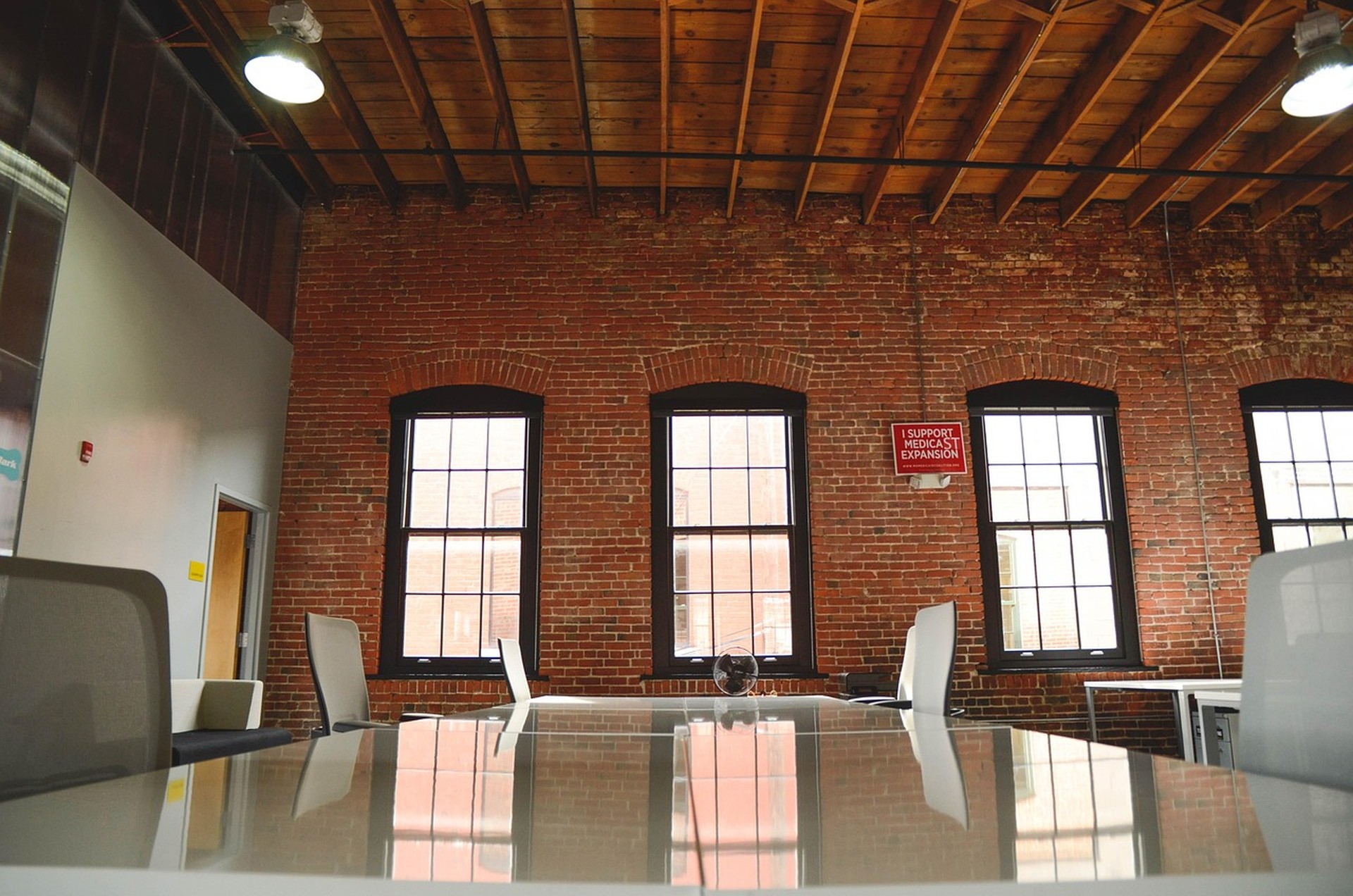
The room is ready. The question is whether the update needed the room at all.
Most of the meetings I regret were status. Someone had news. The news was already a sentence. Instead of writing the sentence, we rented a room, a video call, or a walk to another desk, and we spent twenty minutes hearing the sentence out loud. A meeting that should have been a page is that habit, repeated until the week belongs to the room and the work belongs to whatever time is left.
I wrote the test into The Time Mastery Blueprint, the field manual I published in February 2024. The book is eleven chapters of questions about a real week: the sentence “there is not enough time,” the leaks, the meetings, the priorities, the art of saying no. It is a field manual, and Time Mastery is a field manual, not another to-do list. If you want the object, it is here: The Time Mastery Blueprint. The meeting chapter is blunt. A meeting without an agenda is a leak. A meeting full of people who do not need to be there is a leak. A meeting that exists because nobody wrote the update down is a leak you can close before you send the invitation.
The close is a page. The page can be an email, a shared note, or a one-page plan. It states what changed, what you need, and by when. People read it when their own work allows. The ones who must decide write back, or they come to a short room whose only job is the decision. Everyone else keeps the hour. That is the whole method. It sounds modest because it is the opposite of looking busy.
When a meeting survives that test, the manual still has conditions. There is an agenda, written before the room, with the decision named in the first line. There is a time limit, and the limit is short enough that a wandering discussion becomes visible. Only the people required for that decision are invited. Each of them prepares, which means they have read the page. Someone follows up in writing, the same day, with the decision, the owner, and the date. If you cannot meet those conditions, you do not yet have a meeting. You have a gathering.
Lateness: Causes and Consequences belongs in the same drawer. A meeting that starts late has already failed the time limit, and it teaches every person in the room that the agenda was decorative. How to Organize a Successful Virtual Meeting applies the same tests to a screen. A camera does not make an update into a decision. It makes the update harder to escape. Stop Making To-Do Lists! is the warning against a fake agenda. A list of topics is not an agenda. An agenda says what will be decided, who speaks to it, and when the room ends. Strategies to Manage Your Time Efficiently is the weekly practice around all of this: the hours you protect are the hours you refuse to give to a page wearing a meeting's clothes.
I use one question in the doorway. “If I wrote this down, who would still need to speak?” If the answer is nobody, I write it down. If the answer is two people and a choice, I book those two people for the length of the choice. If the answer is “everyone should hear it,” I ask whether hearing it requires a simultaneous hour. Usually it does not. Simultaneous hours are for conflict, for a decision with a real trade-off, and for the rare moment when a face prevents a misunderstanding a paragraph would create. They are expensive. Spend them on purpose.
A small firm feels the cost first, because the room and the workforce are almost the same people. The International Labour Organization's Working Paper 129, dated 11 November 2024, reviews industrial relations in micro and small enterprises. Its opening account is the one I want here: micro and small enterprises, together with the self-employed, account for 70 percent of global employment, largely in the informal economy. The paper is about representation, bargaining, and the reach of labour law. You can read it here: Industrial relations in micro and small enterprises. I use the employment figure for a simpler operational fact. In most of the world's firms, the person in the meeting is also the person who was supposed to do the work the meeting delayed.
That is why “just a quick one” is rarely quick. In a company of four, a thirty-minute meeting is two hours of the firm's day before anyone has made a thing, answered a customer, or moved a shipment. How a local product crosses a border is the reminder that the commercial work already has documents: an invoice, a packing list, a rule at the customs desk. Read the trade rule before you invent one says the same thing about a text. You read the text that governs the shipment, and you stop where the text stops. A meeting is not a softer version of that discipline. If the update can live on a page, inventing a room is a way of avoiding the page.
Invite the person who can say yes or no. Invite the person who holds a fact the page could not carry, and only if you have already tried to put the fact on the page. Leave out the person you are inviting so they feel included. Inclusion, for an update, is the page itself. People who need to know can read. People who need to decide can meet. Mixing the two groups is how a fifteen-minute choice becomes an hour of performance, with each person proving they are across the detail.
A plan is the grown-up form of the page. The U.S. Small Business Administration publishes a marketing plan example for this reason. The template shows how to create a marketing plan for a small business. The file is a PDF of about 148 kilobytes, updated on 8 April 2024. It is here: Marketing plan example. I am not asking you to adopt a foreign government's form as your strategy. I am pointing at the form of the thing. A marketing plan is a document a colleague can read without sitting down with you. Who the customer is, what you offer, how you reach them, what it costs: those sentences do not become truer because five people heard them spoken.
Write the plan, or the update, in the words you would be willing to reread next month. Spoken meetings decay. Everyone leaves with a slightly different memory of what was agreed, and the next meeting is convened to reconcile the memories. A page with an owner and a date does not decay in the same way. If the page is wrong, you correct the page. You do not correct it by adding another hour in which the same ambiguity is shared more warmly.
Preparation is part of the writing. If you schedule the room first and hope the agenda appears in the room, you have already decided that other people's time is the draft. Draft before you invite. Send the draft with the invitation. Start the room by asking whether anyone needs a fact that is not on the page. Then decide. Follow up by updating the page, not by booking the sequel. The sequel is how a single unclear sentence colonises a month.
Meetings expand into the hours on either side. People stop deep work early to “get ready,” and they spend the next hour recovering the thread. Two jobs, one Tuesday is the border I want on the calendar: the operating day and the making day do not occupy the same hour without a fight. A meeting that should have been a page is how the operating day eats the making day while looking like collaboration. Put the meetings in a block. Put the writing, the building, and the thinking in a different block. Read the page in the meeting block. Do not let the meeting block leak a “quick call” into the afternoon you had reserved for a finish.
Saying no is a chapter of its own in the time book, and it is the skill underneath this one. You can decline a meeting and still be a good colleague. The way to decline is to offer the page. “I will write the update by three, and I will come for twenty minutes if a decision is still open.” That sentence respects the other person's problem and protects the hour. It also reveals whether a decision was ever actually required. Often the invitation was a habit of gathering, and the page solves it.
Virtual rooms deserve the same no. A camera on, a chat scrolling, a recording nobody will watch: these are pages that failed to become pages and became theatre instead. How to Organize a Successful Virtual Meeting, if you keep it, should be shorter than the live version, with the materials sent ahead and the recording replaced by the written follow-up. If you need the recording because nobody wrote the decision down, you have not finished the meeting. You have deferred it to a file.
Rooms earn their place when they decide something a page could not decide. A price. A hire. A risk you will accept or decline. A disagreement that has already been written down and is still unresolved. Those meetings earn the chairs. They have an agenda, a limit, the necessary people, preparation, and a follow-up that fits on a page. Everything else is a document that has not been written yet.
This week, take one recurring meeting and put its last three agendas on the desk. Mark every item that was an update. Write those items as a page and send the page next time instead of speaking them. Keep the items that were choices, and shorten the room to their length. Lateness, lists, and virtual calls all get easier once the page exists, because the room is no longer doing the job of a document. The field manual asked the question. The empty table in front of you is the answer, on the days when the page was enough.